
Aviator Pattern Tracker
Use an Aviator pattern tracker to review completed multipliers, understand history and study trends without treating past rounds as future predictions.
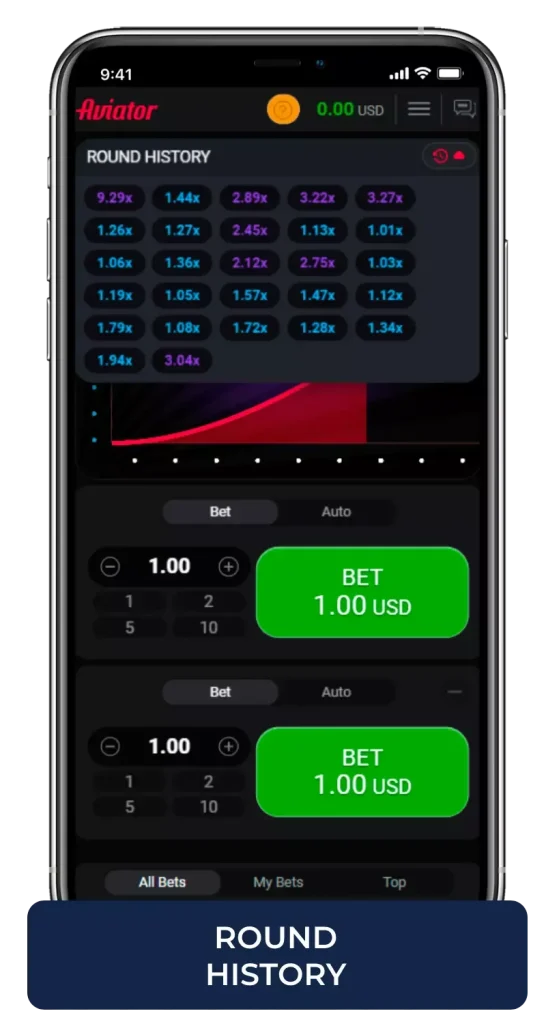
An Aviator pattern tracker can be useful as a history-reading tool when its purpose is clearly defined. A table or chart can make completed multipliers easier to review, but it should not be presented as a machine that knows what the next crash will be. This guide shows how to use history without turning visual patterns into false certainty.
What a tracker should record
Useful fields include the round time, completed multiplier, session identifier and notes about your own activity. Consistent records make the data easier to understand. The value of the tracker is documentation: it shows what happened rather than asking you to remember a sequence.
Purple and blue patterns
Purple and blue labels can make a history strip visually easy to scan, but colours are display categories. They do not change the mathematical status of the underlying result. A sequence that looks meaningful can occur naturally in random data.
Multiplier trends
A trend chart can show averages, ranges or frequency in a historical sample. That can be useful descriptive analysis. It becomes misleading when the same chart is presented as proof that a particular multiplier is about to appear.
Results history as a review tool
Recent results can help you understand volatility and how quickly outcomes change. They can also support personal record keeping. The safest interpretation remains “this is what already happened,” not “this is what the next round must do.”
Why patterns feel predictive
Humans naturally search for sequences, especially when colours and numbers are displayed together. A run of low values can feel like a high result is overdue. That conclusion does not follow from the history alone. Each new round must be treated as a new outcome.
Build a useful tracker
Include time, session cost and duration alongside multiplier history. A complete dashboard can show whether your activity remains within a planned boundary. A “hot/cold” indicator that claims to forecast the next result is much less useful than a transparent record.
What a tracker cannot do
A history database does not gain access to a hidden future value merely because it contains many previous rounds. Read the predictor analysis for the difference between tracking and predicting.