
Aviator Crash Game
Understand the Aviator crash game, how the flight multiplier works, when a round ends, how cashout works and how completed rounds are verified.
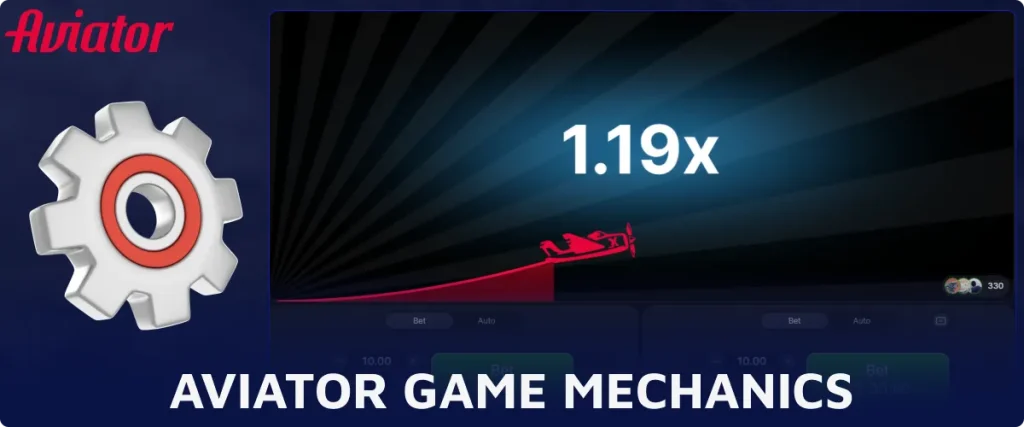
An Aviator crash game uses a plane-flight animation to represent a multiplier that rises until the round ends. The core interface is easy to recognise, but the important details are the betting phase, generated crash point, cashout action, recent results and fairness verification. Knowing what each part means helps prevent the visual design from being mistaken for a prediction tool.
The round from start to crash
A typical round has a betting window, takeoff, a rising multiplier and an ending point. A player who cashes out successfully before the flight ends receives the displayed multiplier on that bet. A player who remains active when the round ends does not receive a payout on that active stake. The plane animation simply shows the state of the round.
Understanding the crash point
The crash point is where the round ends. It may occur at a low multiplier or much higher value. Previous crash points remain completed information and do not force the next round to move in another direction. This is why a history strip is useful for review but not a reliable forecast.
Cashout and auto cashout
Manual cashout is a live action. Auto cashout, if available, attempts to settle the bet at a selected threshold. Neither changes the underlying crash point. Read the interface guide.
Provably fair terminology
Provably fair describes a verification approach in which cryptographic information can be used to check a completed result. The purpose is transparency about how the result was generated. It should not be confused with prediction. A verified past outcome is still a past outcome.
The flight trajectory is visual
The line, plane and animation help users see that a round is active. They do not provide a hidden measurement of how much longer the flight will continue. The only actionable live value for a cashout is the multiplier currently displayed by the game.
Practise in a demo
Crash games can feel fast when first opened. A virtual demo lets you learn the location of the stake, multiplier, history and cashout without real funds. Use the demo guide.
Keep the risk visible
Because the interface is simple, it can feel more controllable than it is. Set a spending and time boundary, avoid chasing losses and take breaks. Read responsible gaming guidance.